When It Feels Like You’re Always the Strong One
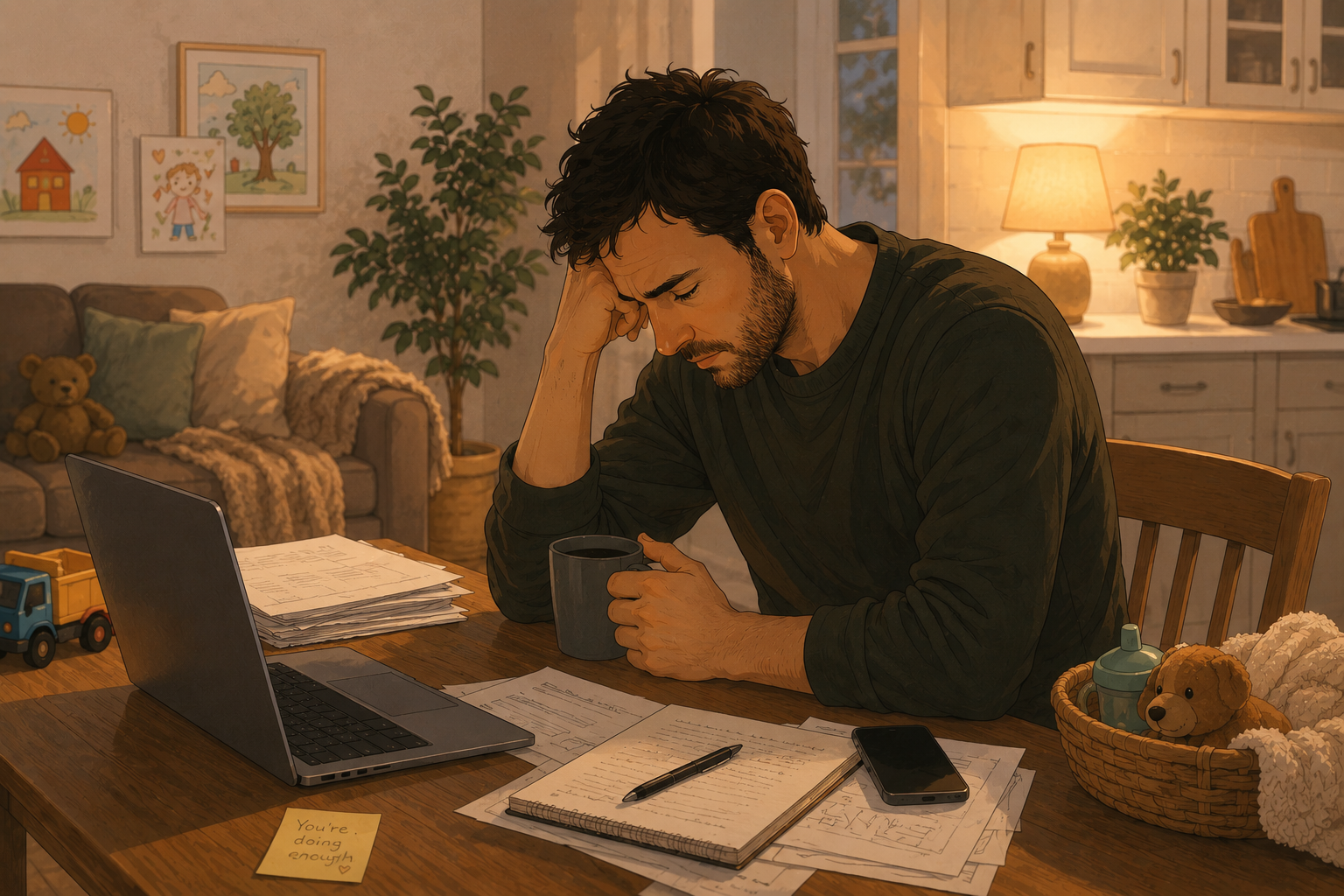
Ever feel like you’re always labelled “the strong one”?
The person everyone turns to. The one who keeps going when things feel chaotic or overwhelming around you.
Maybe you’re the person who stays calm on the outside, tries to fix things, supports everyone else, and carries what needs to be carried.
People might say things like: “I don’t know how you do it.”
And perhaps, on the outside, it looks like you’re coping. But underneath, you may feel exhausted, overwhelmed, trapped, anxious, or as though you’re quietly falling apart.
Sometimes, somewhere along the way, we can learn that being “the strong one” means we have to keep coping, even when things feel heavy for us too.
Perhaps people rely on you, and because of that, it feels like you can’t afford to fall apart. This can make asking for help feel incredibly difficult.
Being the strong one all the time can leave you feeling guilty, weak, or uncomfortable for needing support yourself. You might tell yourself:
“I should be able to cope.”
“Other people have it worse.”
“Maybe I’m overreacting.”
“It’s not that bad.”
So instead, you keep going.
Often, we begin pushing feelings aside because acknowledging how overwhelmed we really feel can seem frightening, especially when so much of our identity has become tied to coping. But carrying everything alone for too long can come at a cost. Sometimes, we don’t realise how much pressure we’ve been carrying until our mind or body begins struggling to keep up.
It might show up as constant tiredness, headaches, emotional shutdown, feeling on edge, difficulty relaxing, or reaching a point of complete exhaustion. Sometimes it shows up as exhaustion, irritability, anxiety, numbness, resentment, emotional overwhelm, or burnout.
Strength itself isn’t unhealthy. But constantly feeling like you have to be strong, without space to slow down, feel supported, or let your guard down, can become exhausting.
Sometimes, being the strong one begins much earlier than we realise. Perhaps you learnt that other people needed you to cope. Maybe there wasn’t space for your own feelings, or you became used to putting other people’s needs before your own.
Sometimes, we receive praise for being “easy,” “capable,” or “strong,” and over time, that role can become part of our identity. We learn to keep going, hold things together, and manage alone, even when internally things feel heavy too. After a while, it can become difficult to know how to stop carrying everything.
Sometimes, it’s simply the fear of not being strong. The fear of letting others down. Losing control. Feeling like a burden. Appearing weak in the eyes of other people. Disappointing others. Or feeling like everything might fall apart if you stop coping. Sometimes, that fear is what keeps the cycle going.
Holding everything together doesn’t always look dramatic. Sometimes, it looks like constantly staying emotionally aware of everyone around you. Managing other people’s feelings. Staying composed. Carrying emotional burdens privately. Becoming highly independent. Feeling responsible for keeping the peace in relationships. Over-giving while quietly neglecting yourself.
Those who grew up with inconsistent emotional support often become very capable adults. But underneath, there can be exhaustion from always feeling like you have to hold everything together. Sometimes, when we’ve spent so long being the strong one, it can feel unfamiliar or even uncomfortable to let ourselves be supported.
We may not know how to slow down, ask for help, or let our guard down without guilt. But strength doesn’t have to mean carrying everything alone. Counselling can offer a space where you don’t have to hold everything together for everyone else.
A space where you can begin to explore how things feel for you, without pressure to keep coping or appear okay. You are allowed to need support too.
If this resonated with you, and you’re interested in having a space where you don’t have to be the strong one all the time, you’re welcome to get in touch.
